Austin White
Composer
The DT’s (2023) for Sinfonietta ~13:00
[1111.1111.2 perc.pno.11111]
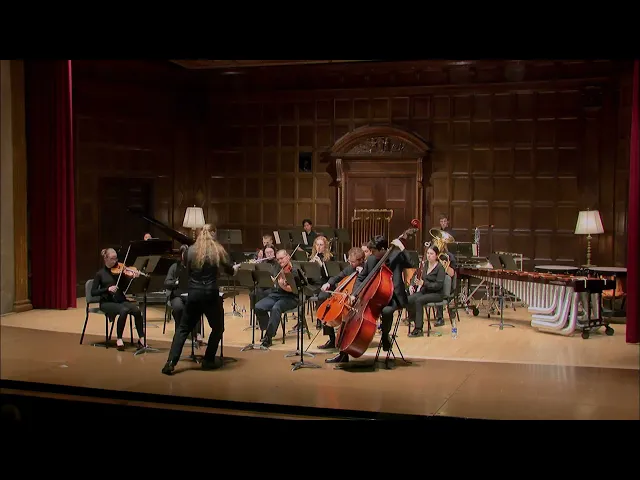
Written for the Graduate Composers Sinfonietta
This piece’s harmonic material is derived entirely from dial tones and call sounds, with FM synthesis used to further densify the pitch space. That process suggested a theme of communication and connection. The title, The DTs, refers not only to dial tones, but also to delirium tremens—a severe and often misunderstood medical condition.
In lieu of the usual program note abstractions, consider this an educational public service announcement. Delirium tremens is a life-threatening withdrawal syndrome most commonly associated with alcohol, but also with other substances that affect GABA receptors, such as benzodiazepines. Symptoms include violent shaking, confusion, fever, hallucinations, and dangerous spikes in blood pressure. Unlike withdrawal from many highly addictive substances—opioids, for example, which can feel lethal without typically being so—delirium tremens can actually kill you.
Now imagine being addicted to alcohol, facing not only extreme suffering but the real possibility of death if you stop drinking, in a country with an abysmal healthcare system. What options remain? For many, it comes down to hoping someone buys them a beer so they don’t die. While treatment options exist for those without financial means, they are limited, unevenly distributed, and often insufficient. Even under medical supervision, people still die from delirium tremens.
When discussions about substance abuse shift from punishment to healthcare, these are not abstract policy debates—they are matters of life and death for the disenfranchised. Sobriety is not simply the cessation of use, but a long, fragile process requiring sustained medical, social, and economic support. As Johann Hari writes:
“Trying to eliminate the drugs will never end addiction completely because it avoids a deeper problem in society—a lack of connection. You can build a system designed to help people reconnect with the world, and so leave behind their addictions.”
Music